Top 5 API Use Cases for Application Integration
Explore how APIs streamline application integration.
Discover the top 5 API use cases that enhance application integration, improving efficiency and connectivity across platforms.
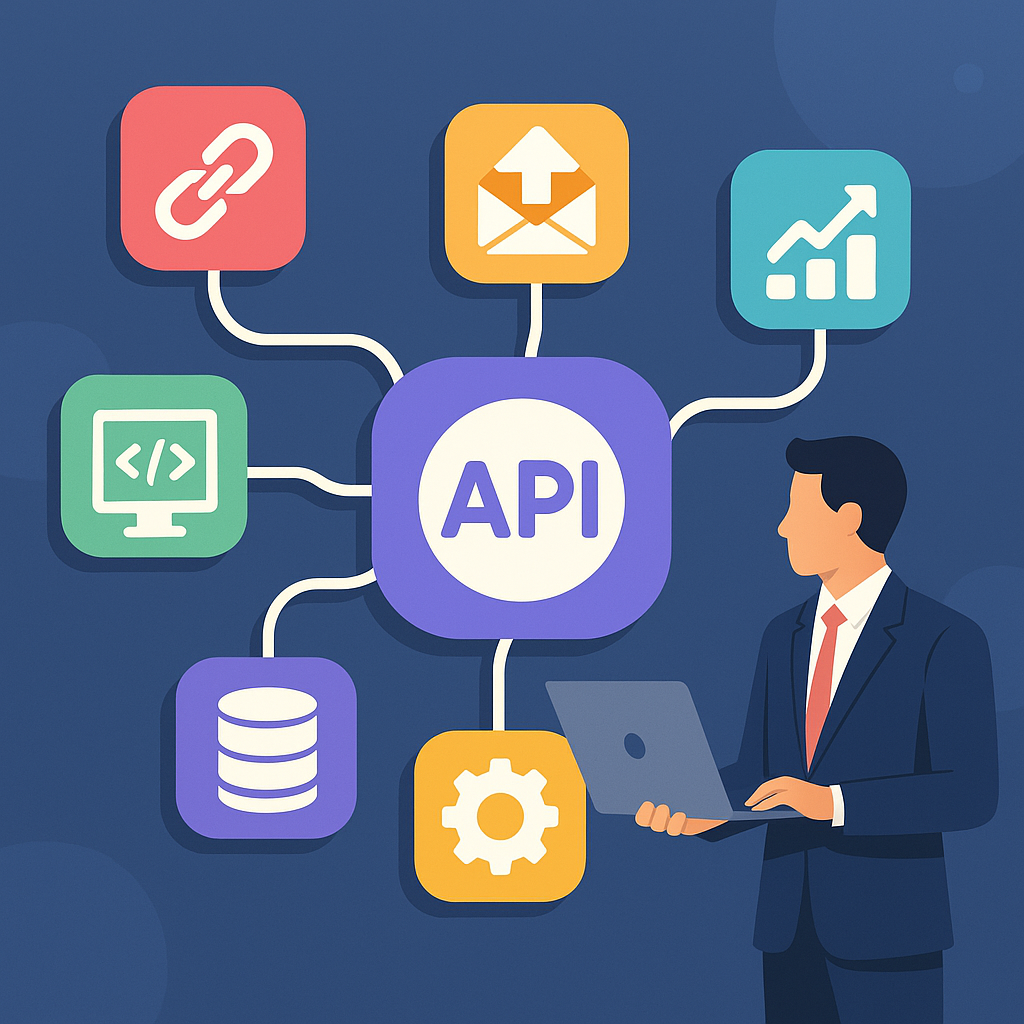
APIs, or Application Programming Interfaces, are essential tools for integrating applications, enabling seamless communication and data exchange between different software systems. Understanding the top API use cases can help businesses enhance their operational efficiency and connectivity.
What are the top API use cases for application integration?
APIs serve as the backbone for many modern applications, facilitating various integration scenarios. Here are the top five use cases:
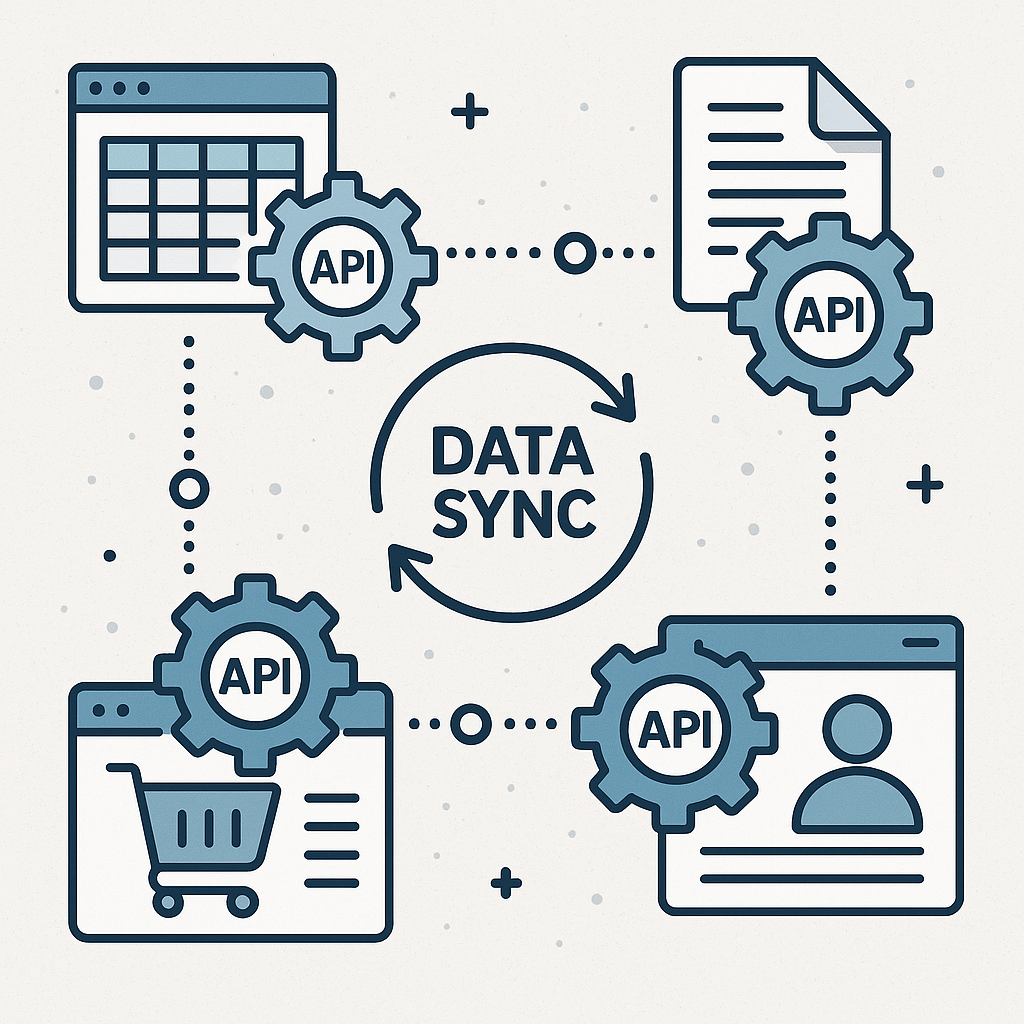
- Data Synchronization: APIs enable real-time data synchronization between different systems, ensuring that all platforms have access to the most current information. This is crucial for applications like CRM systems, where up-to-date customer data is essential.
- Third-Party Service Integration: Many applications rely on third-party services for additional functionality, such as payment processing or social media sharing. APIs allow these services to be integrated seamlessly, enhancing the application's capabilities without the need for extensive development.
- Microservices Architecture: In a microservices architecture, APIs are used to connect various microservices, allowing them to communicate and work together as a cohesive application. This approach improves scalability and flexibility, making it easier to update or replace individual components without affecting the entire system.
- Mobile Application Backend: APIs are critical for mobile applications, providing a way to connect the app with backend services. This allows mobile apps to access data and perform functions that are hosted on remote servers, ensuring a smooth user experience.
- IoT Device Connectivity: With the rise of the Internet of Things (IoT), APIs are used to connect and manage IoT devices. They enable communication between devices and central systems, allowing for data collection, monitoring, and control of IoT networks.
How do APIs improve data synchronization?
APIs facilitate data synchronization by providing a standardized way for applications to communicate and exchange data. This ensures that all connected systems have access to the latest information, reducing errors and improving decision-making processes.
Why are APIs crucial for third-party service integration?
APIs are crucial for integrating third-party services because they offer a standardized interface for communication. This allows developers to easily incorporate external services into their applications, expanding functionality without the need for custom solutions.
How do APIs support microservices architecture?
In a microservices architecture, APIs act as the communication layer between different services. This modular approach allows for greater flexibility, as each service can be developed, deployed, and scaled independently, improving the overall resilience and adaptability of the application.