APIs in 2026: Why Every Modern SaaS Application Needs an API-First Strategy
Discover how APIs power AI, automation, cloud integrations, and the future of SaaS applications.
In 2026, APIs are the foundation of every successful SaaS application. Learn why API-first development, AI integrations, automation, and scalable architecture are essential for building modern software that grows with your business.
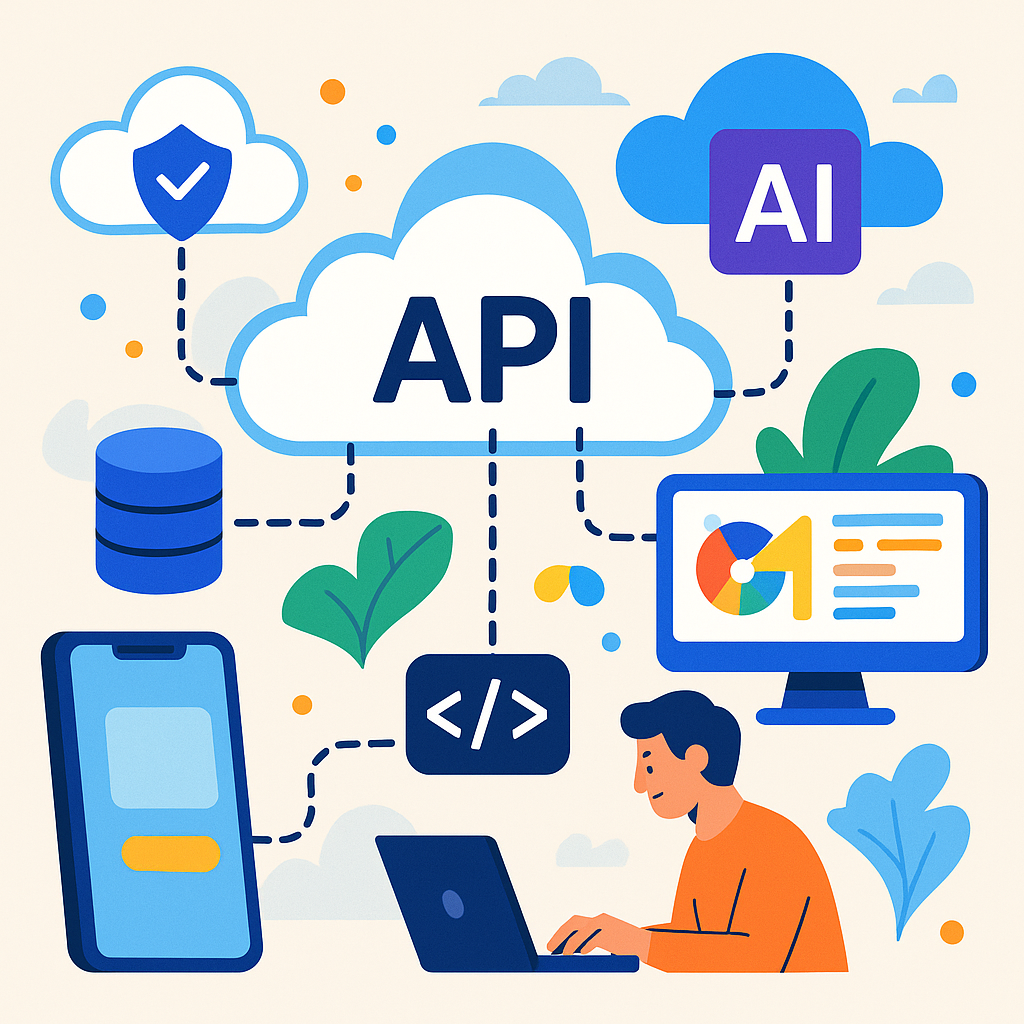
In 2026, adopting an API-first strategy is no longer optional for SaaS applications; it's a necessity. APIs are the backbone of modern software, enabling seamless integration, scalability, and innovation. This approach ensures that applications are not only robust but also future-ready, capable of integrating AI, automation, and cloud services effectively.
What is API-First Architecture?
API-first architecture involves designing APIs before the application itself, treating them as first-class products. This strategy prioritizes the API's role in the software ecosystem, ensuring that it is scalable, secure, and flexible. By focusing on APIs from the outset, developers can create systems that are easier to integrate and expand.
Key Trends in API-First Architecture
Several trends are shaping API-first architecture in 2026:
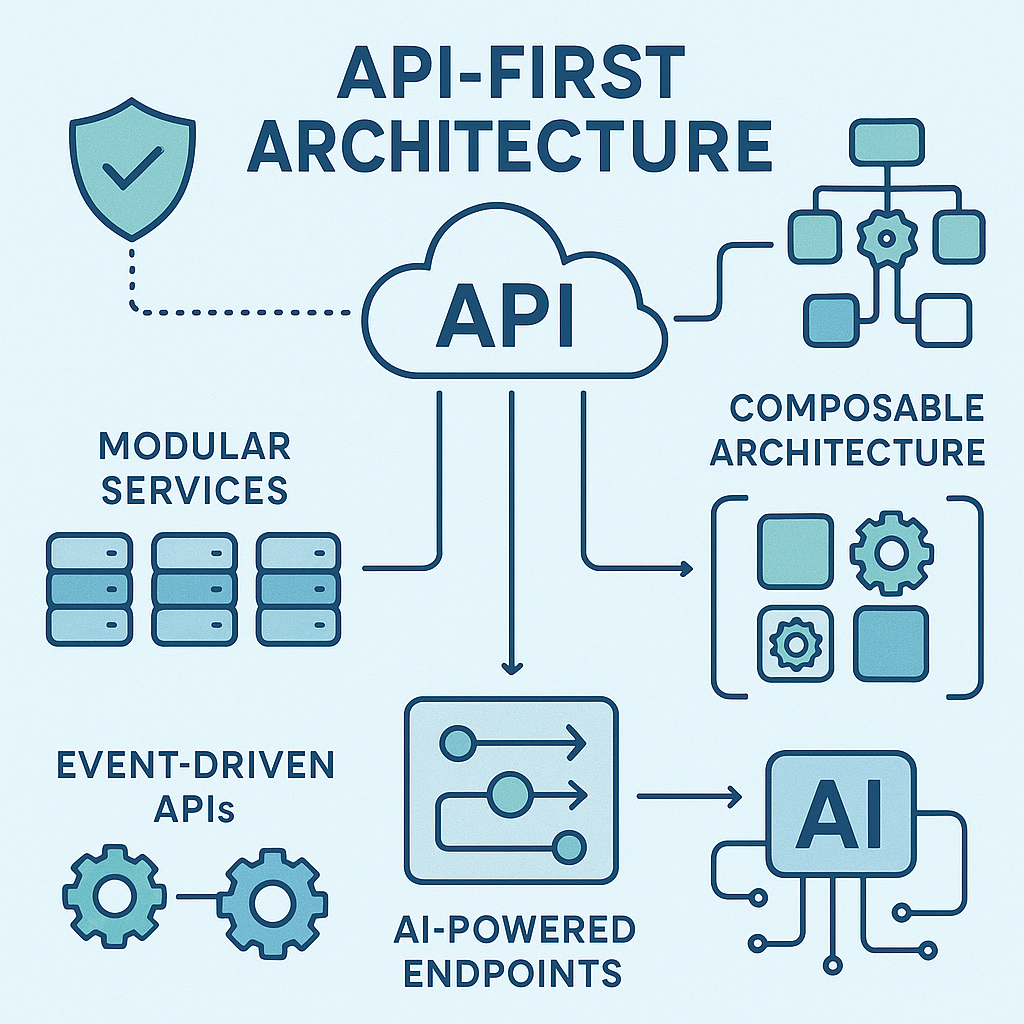
- AI-Powered APIs: These APIs offer endpoints for generative models, prediction, classification, and natural language processing, making them integral to modern applications.
- Security and Governance: With zero-trust models and fine-grained access controls, security is a top priority.
- Composable Architecture: This allows for modular services connected via APIs, enabling rapid changes without system disruptions.
- Event-Driven APIs: Supporting real-time experiences, these APIs use streaming, webhooks, and pub/sub models.
- Unified API Management: Platforms now cover design, security, analytics, and monetization in one place.
- API Productization: APIs are treated as products with clear ownership, SLAs, and pricing models.
Why is API-First Development Crucial for SaaS?
API-first development is crucial for SaaS applications because it supports scalability, integration, and future-readiness. This approach allows SaaS providers to integrate AI, automation, and scalable architecture seamlessly, which are essential for modern software development.
Benefits of API-First Development
API-first development offers several benefits:
- Enhanced Scalability: APIs allow applications to scale efficiently by decoupling services.
- Improved Integration: APIs facilitate seamless integration with third-party services and platforms.
- Future-Readiness: By focusing on APIs, applications can easily adapt to new technologies and trends.
- Increased Innovation: Developers can leverage APIs to build innovative features and services.
How Do APIs Power AI and Automation?
APIs are pivotal in integrating AI and automation into SaaS applications. They provide the necessary endpoints for AI models and automation tools, enabling applications to offer intelligent features and automated processes.
AI Integration Through APIs
APIs facilitate AI integration by providing access to machine learning models and data processing tools. This allows applications to offer features like predictive analytics, natural language processing, and personalized user experiences.
Automation with APIs
APIs enable automation by connecting different services and automating workflows. This reduces manual intervention, increases efficiency, and enhances user satisfaction.
What Role Do APIs Play in Cloud Connectivity?
APIs are essential for cloud connectivity, allowing SaaS applications to interact with cloud services seamlessly. They enable data exchange, service integration, and resource management across cloud platforms.
Cloud Integration via APIs
APIs facilitate cloud integration by providing standardized interfaces for connecting with cloud services. This ensures that applications can leverage cloud resources effectively, enhancing performance and scalability.
FAQ
What is an API-first strategy?
An API-first strategy involves designing and prioritizing APIs before the application itself, ensuring they are treated as first-class products.
Why is API security important in 2026?
API security is crucial due to increasing cyber threats. Zero-trust models and fine-grained access controls are essential for protecting data and services.
How do APIs support AI integration?
APIs provide endpoints for AI models, enabling applications to integrate features like predictive analytics and natural language processing.
What are event-driven APIs?
Event-driven APIs support real-time experiences by using streaming, webhooks, and pub/sub models to decouple systems and handle events efficiently.
How do APIs enhance SaaS scalability?
APIs enhance scalability by decoupling services, allowing applications to scale efficiently and integrate with other platforms seamlessly.
What is API productization?
API productization involves treating APIs as products with clear ownership, service level agreements (SLAs), and pricing models.
Discussion
Loading responses…